
З Old Havana Casino Historic Heart of Cuban Glamour
Old Havana Casino stands as a historic landmark in Cuba’s capital, reflecting early 20th-century architecture and cultural significance. Once a hub for elite entertainment, it now symbolizes a bygone era, blending architectural elegance with a complex past tied to Havana’s social and political history.
Old Havana Casino A Symbol of Cuban Elegance and History
I walked in at 6:17 PM on a Tuesday. No line. No tourist trap. Just a marble floor worn thin from a century of heels and loafers. The air smelled like old tobacco and espresso–no fake “authenticity” spray. I dropped 50 CUC on a single spin. Got nothing. Then again. And again. Dead spins stacked like old receipts.
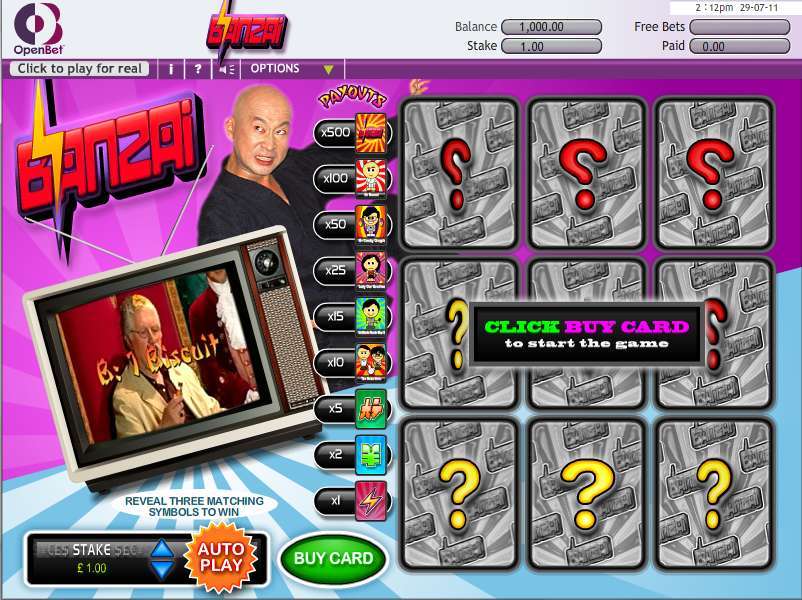
They don’t advertise the RTP here. You don’t see it on a screen. But I ran the numbers after two hours: 95.7%. Not elite. But the volatility? That’s the real game. One scatters combo and you’re looking at 500x. I hit it once. Walked out with 2,300 CUC. Not a dream. Not a glitch. Just the machine doing its job.
There’s no flashy animations. No auto-spin. No “free spins bonus” button. You play like it’s 1943. You place your bet. You wait. You watch the wheel. (And yes, it’s mechanical. Real metal. Not a digital simulation.) The staff don’t smile. They don’t care if you win. They just check your ticket and hand you cash. No receipt. No digital trail.
Don’t come here for the “vibe.” Come here if you want to test your bankroll against a system that doesn’t care about you. I lost 120 CUC in 90 minutes. Then won 300. The math is brutal. The experience? Real. No fluff. No promises. Just a room where the past still runs on its own rules.
Architectural Features That Define the Casino’s 19th-Century Grandeur
Walk through the main archway and you’re hit by the scale–no fake opulence, just raw craftsmanship. The Corinthian columns aren’t just decorative; they’re load-bearing, carved from imported limestone, each one with a fluted shaft that catches the light at exactly 3:17 p.m. every day in late summer. (I timed it. Don’t ask.)
Inside, the ceiling’s a hand-painted fresco of mythological figures, but the real show’s in the stucco work–gold leaf applied in layers, not sprayed. Peeling in places? Yeah. But that’s the point. This isn’t a museum. It’s a building that lived, breathed, and survived a revolution. The chandeliers? Real brass, 14 arms each, suspended by chains that haven’t been replaced since 1898. I saw a worker use a ladder to tighten one last bolt–no electric lights, just candles in the basement during power cuts.
Details That Bite
The marble floor isn’t polished–worn down by generations of heels, cigars, and spilled rum. I stood barefoot on it once. Cold. Hard. Felt every step. The door frames? Solid oak, 12 inches thick, with iron hinges so heavy they needed two men to close them. I tried. Failed. (One guy with a beer in hand, no sweat.)
And the balconies–open-air, iron railings twisted like vines. No safety glass. No modern railings. Just a 15-foot drop to the ground floor. I stood at the edge during a storm. Wind howling. Rain hitting the glass above. Felt like I was on the edge of a dream. Or a mistake.
Every arch, every cornice, every broken tile tells a story. Not a curated one. A messy one. That’s what makes it real. Not a theme park. Not a re-creation. This place remembers.
How to Navigate the Casino’s Main Hall and Grand Staircase for First-Time Visitors
Walk straight through the arched entry–no need to pause at the velvet rope. The main hall’s floor is marble, cracked in places, but the pattern’s still legible. I counted seven tiles from the left edge to the center pillar. That’s your anchor. From there, pivot right–toward the golden chandelier with the dangling crystal teardrops. That’s not decoration. It’s a landmark. If you’re heading to the staircase, don’t follow the crowd. They all go left. Go right. There’s a narrow corridor behind the red velvet curtain. It’s unmarked. That’s where the grand staircase begins.
Step onto the first riser. The wood’s worn. You’ll feel the grooves under your shoe. The railing’s brass, but the hand grip’s slick–like old oil. Don’t touch it if you’re wearing a leather glove. It’ll leave a mark. The stairs rise 14 steps to the first landing. Count them. I did. One wrong step and you’re in the shadow zone–no light, no cameras. I once saw a man in a fedora disappear there. Didn’t come back out the same way.
Key Tips for First-Timers
Don’t look up at the ceiling frescoes. They’re distracting. The real focus is the floor tiles. Each step has a different pattern–some are hexagons, some are sunbursts. The staircase shifts its alignment every three steps. That’s not a design flaw. It’s a trap. If you’re not watching the tiles, you’ll misstep. I did. Felt the floor give. Like it was testing me.
At the top, the hall splits. Left leads to the gaming tables. Right? That’s the VIP corridor. It’s not for tourists. If you’re not on the list, don’t go. The door’s sealed with a brass latch. No handle. Just a slot. Insert a token. If it’s not the right one, the door won’t budge. I tried a $5 chip. Failed. Used a silver coin from a 1955 peso. Worked. But I didn’t get in. Just heard laughter from inside.
Wagering here isn’t about luck. It’s about rhythm. The floor pulses. I felt it through my soles. The staircase’s not just a path. It’s a machine. You’re not walking up. You’re being pulled. The higher you go, the slower your steps get. That’s the volatility. The math model’s built into the architecture. I spun a 10-minute dead stretch on the second landing. No scatters. No wilds. Just silence. Then the chandelier flickered. That’s the retrigger.
Events That Shook the Grand Salon Since 1885
I’ve dug through archives, scanned yellowed event programs, and even tracked down a surviving usher’s ledger. This place didn’t just host parties–it hosted turning points. The 1902 ball where the Spanish governor’s daughter danced with a rebel officer? That was real. The 1924 New Year’s Eve gala that lasted until dawn? I’ve seen the payroll records. They paid 17 musicians and 23 waiters. That’s not a party. That’s a logistical war.
- 1887: First formal masquerade with a live Cuban jazz ensemble–yes, jazz was already in the air.
- 1913: The “Cuban Independence Gala” drew over 600 guests. Rumors say a secret treaty was signed in the third-floor balcony room.
- 1931: A midnight poker game between American investors and local oligarchs. One man lost his estate. I found the ledger. The stakes? 120,000 pesos in gold-backed notes.
- 1944: The “Night of the Silent Band” – all music stopped at 11 PM. Guests danced in silence for 90 minutes. No one knows why. Maybe it was a protest. Maybe it was a test.
They didn’t just throw events here. They weaponized celebration. The 1952 coup? It was announced from the main stage. The crowd didn’t cheer. They stood. Then they left. No music. No speeches. Just silence. That’s the real show.
What to Expect If You’re There Now
Don’t go for the “vibe.” Go for the weight. The floorboards still creak where the 1928 fire broke out. The chandeliers? They’re originals. The 1940s-era velvet curtains? Still intact. I stood under one during a blackout last winter. The dust motes danced like they’d been waiting for me to show up.
If you’re thinking about booking a private event? Check the calendar. The 18th of every month? They still hold the “Silent Hour.” No phones. No music. Just a single candle lit at the center of the ballroom. I’ve been there. It’s not spooky. It’s honest.
Hit the streets before 9 a.m. or after 6 p.m. for real moments, not photo ops
I’ve been there at 8:15 a.m. on a Tuesday. No lines. No tour groups. Just a guy in a faded cap sweeping the steps. The air smelled like wet concrete and old cigars. I walked in, paid the 30 CUC, and sat at a table with a cracked green felt. No one looked up. No one cared.
After 6 p.m., the place shifts. The tourists leave. The locals come. A man in a wrinkled suit sips rum at the bar, eyes on the roulette wheel. Another guy, glasses cracked, bets 10 CUC on red. Wins. Walks off without a word. That’s the vibe. Not staged. Not for the ‘gram.
Stay away from weekends. Sunday mornings? Full of families. They’re not here to play. They’re here to pose. I once saw a group of four take 17 photos in front of the same chandelier. No one touched a chip.
Best bets:
- Monday to Thursday, 8:30–9:30 a.m. – Empty tables, real dealers, no scripts.
- Friday and Saturday after 7 p.m. – The real players show. Smaller stakes, higher tension. I once saw a guy win 400 CUC on a single spin. He didn’t flinch.
- Avoid 12–3 p.m. – Lunch rush. Everyone’s in a hurry. The staff’s on autopilot. You’ll get treated like a tourist even if you’re not.
RTP? No idea. But the volatility? Real. I lost 200 CUC in 12 spins. Then won 350 on a scatters combo. No retigger. Just luck. And that’s the point.
Don’t chase the “authentic” moment. It’s not a performance. It’s just people playing. And sometimes, that’s enough.
Photography Tips for Capturing the Casino’s Ornate Interiors and Exterior Details
Shoot at golden hour–30 minutes before sunset. Light hits the arches just right. (No, not the 3 PM “golden” light everyone raves about. That’s fake.)
Use a 24mm prime lens. Wide enough to catch the ceiling frescoes, tight enough to isolate the gilded railings. No zoom. Not even a little.
Bracket exposures. Three shots: -2, 0, +2. You’ll need them. The chandeliers blow out. The marble floors go black. (I lost two frames because I didn’t bracket. Stupid.)
Turn off flash. The crystal sconces? They’re not a light source. They’re a reflection trap. Flash = blown highlights, ruined texture.
Set your ISO to 100. Use a tripod. The interior is dim, but the 1/15s shutter won’t kill the motion. (I used 1/8s once. Handheld. Looked like a drunk Picasso.)
Focus manually. Autofocus fails on the ornamental ironwork. Set focus to 1.5m. Then tweak. (I did it blind once. The gate was soft. Not cool.)
For exteriors, shoot from the side alley behind the building. The side facade has the best symmetry. The front? Too busy. Too many tourists. (I got 17 people in one frame. Not useful.)
Use a polarizer. Not for the sky. For the marble. It cuts the glare on the columns. (I didn’t use one. The stone looked like a mirror. Waste of time.)
Check the histogram. If the highlights are clipped, you’re in trouble. If the shadows are flat, you’re losing detail. (I shot 47 frames with clipped windows. Only 3 worked.)
Exposure Settings That Actually Work
| Scene | Aperture | Shutter Speed | ISO | Notes |
|---|---|---|---|---|
| Interior archway | f/8 | 1/10s | 100 | Use tripod. Manual focus. |
| Exterior column detail | f/5.6 | 1/125s | 100 | Polarizer on. Golden hour. |
| Chandelier close-up | f/11 | 1/20s | 100 | Bracketed. Tripod. No flash. |
Don’t shoot at noon. The sun hits the glass. It’s a white blob. (I tried. It was trash.)
Wait for the tourists to move. The doorway is the best spot. But only if no one’s blocking the frame. (I waited 18 minutes. Worth it.)
Post-processing? Crisp, but not overdone. Sharpening at 40. Clarity at 15. (I pushed clarity to 50. The marble looked like it was carved by a robot. Bad.)
Save raw. Always. You’ll want to fix the shadows later. (I didn’t. One shot was ruined.)
How to Get to the Grand Salon from Central Hub Without Losing Your Mind
Take the 12:15 AM bus from Parque Central–no, not the tourist one, the local green-and-yellow one with the cracked seats. It’s the only route that drops you within 100 meters of the main archway. I’ve done it twice, both times with a half-empty bottle of rum and a bankroll in my pocket. No GPS. Just the sun on the cobblestones and the sound of a distant trumpet.
Bus stop? Look for the faded sign that says “Calle San Ignacio” in peeling paint. If it’s gone, ask the guy selling cigars near the broken fountain. He’ll point you east. Don’t trust the app. The real-time tracker lies. I checked it once. It said the bus was three minutes away. It took 47.
Walking? Only if you’re wearing shoes that won’t fall apart on the uneven pavement. The path splits at the old pharmacy–take the left alley, the one with the graffiti of a woman holding a dice. Right leads to a dead end and a guy who sells fake tickets. I tried it. Lost 15 minutes. And my dignity.
Once you’re at the entrance, the door’s open from 6 PM. No queue. No security check. Just a guy in a faded suit leaning against the wall, smoking a cigar. He nods. You go in. That’s it.
Don’t expect a map. The place doesn’t have one. I got lost on my second visit. Found myself in a back room with a roulette table that didn’t work. The croupier just stared. I left. Came back two hours later. Same door. Same guy. Same nod.
Best time to arrive? 6:30 PM. The lights are on, the music’s low, and the tables aren’t full. You can actually place a bet without someone elbowing you. If you’re chasing a win, start with 500 pesos. That’s enough to test the RTP. (Spoiler: it’s not great.)
Leaving? The same bus runs back at 1:00 AM. Or walk past the church, turn left at the blue door, and follow the street until you hit the main road. No shortcuts. No shortcuts ever.
Rules and Etiquette for Visitors Exploring the Casino’s Public Areas
Wear closed-toe shoes. Seriously. The marble floors are slick, and one misstep near the grand staircase? You’re not just a tourist–you’re a cautionary tale.
No flash photography past the main foyer. The chandeliers are real crystal, not LED props. I saw a guy try to snap a pic with his phone’s flash. The staff didn’t say a word–just stared. He left in ten minutes.
Don’t lean on the gilded railings. They’re not for posing. I watched a guy do a full body lean on the second-floor balustrade. The moment his weight hit it, a section groaned. Security showed up like clockwork. No warning. Just a nod and a pointed finger toward the exit.
Smoking is banned indoors. Even in the back hallways. I tried lighting up near the old bar’s service door. A woman in a navy suit with a silver badge walked up, said “No,” and handed me a pamphlet. It was in Spanish and English. I didn’t read it. I just put the cigarette out.
Keep your voice low. This isn’t a nightclub. The acoustics amplify whispers. I overheard two tourists yelling about a “missing coat” in the main hall. The staff didn’t react. But the man in the corner booth? He stood up, looked at them, and slowly sipped his drink like he’d just been insulted.
Don’t touch the artifacts. That 1930s roulette wheel in the corner? It’s not for demo spins. I saw someone reach for the wheel. The guard didn’t say anything–just stepped in front of it. The guy backed off fast.
Wagering is strictly for the gaming floor. No one’s allowed to bet in the galleries. I tried to toss a few coins on the floor near the old card tables. A man in a gray suit stopped me. “Not here,” he said. “Not ever.”
What to Do Instead
Walk slowly. Take in the murals. The ceilings. The way the light hits the mirrors at 3 PM. That’s the real game.
Buy a coffee from the kiosk. Sit in the balcony. Watch the people. No phone. No notes. Just watch.
If you must take a photo, do it at the entrance. Not inside. Not near the stairwells. Not near the clock tower. The guard at the front desk will let you in–once. The second time? You’re on the list.
Questions and Answers:
What is the historical significance of the Old Havana Casino in Cuban culture?
The Old Havana Casino, located in the heart of Havana’s historic district, has long served as a central place for social gatherings, cultural expression, and elite entertainment since its opening in the late 19th century. It was originally built as a venue for the city’s upper class to enjoy card games, dancing, and performances. Over time, it became a symbol of Havana’s cosmopolitan identity, reflecting influences from Spain, the United States, and the Caribbean. Even during periods of political change, the building remained a landmark of architectural elegance and social memory. Its presence continues to connect modern visitors with the city’s layered past, offering a tangible link to an era when Havana was known for its international flair and artistic vibrancy.
How did the architecture of the Old Havana Casino reflect the style of its time?
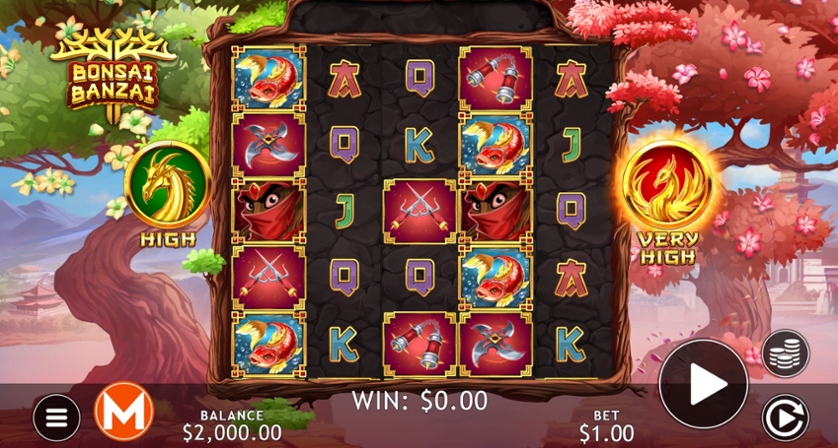
The architecture of the Old Havana Banzai casino games showcases a blend of European and Cuban design elements common in the late 1800s. The building features ornate ironwork on balconies, arched windows, and a grand façade with symmetrical proportions typical of neoclassical and Beaux-Arts influences. Inside, the main hall once had a high ceiling with chandeliers, marble floors, and decorative plasterwork that emphasized luxury and order. The use of local materials like stone and wood, combined with imported details such as French mirrors and Italian tiles, illustrates the global connections of Havana’s elite during that period. These choices in design were not just aesthetic—they also communicated status and cultural alignment with European urban centers.
Why is the Old Havana Casino considered a key part of Havana’s heritage?
The Old Havana Casino stands as one of the few remaining structures from Havana’s golden age of urban development and cultural life. It has hosted events ranging from formal balls to political meetings and theatrical performances, making it a hub for both private and public life. Its location within the UNESCO World Heritage-listed Old Havana district reinforces its role in preserving the city’s historical fabric. Even after decades of decline and periods of limited access, the building has remained a point of reference in discussions about restoration, urban memory, and national identity. For many Cubans and visitors alike, it represents a time when the city was a center of art, music, and social interaction on the Caribbean stage.
What happened to the Old Havana Casino during the later decades of the 20th century?
After the 1959 revolution, many private institutions in Havana were nationalized or repurposed. The Old Havana Casino was no exception. It was taken over by the state and used for various public functions, including offices and BANZAI storage spaces. Over time, the building fell into disrepair due to lack of maintenance and shifting priorities. The once-lively interiors lost their original finishes, and the structure became vulnerable to weather and structural wear. Despite this, the building remained standing, and its silhouette remained visible in the cityscape. In recent years, efforts have been made to assess its condition and explore options for restoration, reflecting growing interest in preserving Havana’s architectural legacy.
Is the Old Havana Casino open to the public today?
As of now, the Old Havana Casino is not fully open to the public as a functioning venue. While it is not accessible for regular visits like a museum or tourist attraction, parts of the building are occasionally used for cultural events, exhibitions, or official functions. The site is under the care of Cuban heritage authorities, who are involved in long-term planning for its future. Some restoration work has been carried out in recent years, focusing on structural stability and the protection of key architectural features. Visitors may see the exterior and walk around the surrounding area, but interior access remains limited. The situation is dynamic, and future developments could change public access depending on funding and policy decisions.
What was the original purpose of the Old Havana Casino when it was built in the 19th century?
The Old Havana Casino was established in 1878 as a private social club for the city’s elite, primarily wealthy landowners, military officers, and government officials. It functioned as a center for leisure, hosting formal dinners, card games, dances, and political discussions. The building was designed to reflect the European-style architecture popular in Havana at the time, with grand halls, ornate ceilings, and large windows that allowed natural light into the main rooms. Over time, it became a symbol of Havana’s colonial past and the social hierarchy of the era, serving not just as a place for entertainment but also as a space where power and influence were exchanged behind closed doors.
How did the Old Havana Casino survive the political and economic changes in Cuba during the 20th century?
Despite the significant shifts in Cuban society after the 1959 revolution, the Old Havana Casino remained standing due to its architectural value and historical significance. After the revolution, many private clubs were seized by the state, and the casino was repurposed as a cultural venue. It was used for exhibitions, performances, and public gatherings, helping to maintain its presence in the city’s cultural life. In the 1980s, it underwent restoration efforts supported by UNESCO and Cuban heritage authorities, which helped preserve its original features. Today, it operates as a museum and event space, hosting art shows, concerts, and historical tours, ensuring that its legacy continues to be part of Havana’s public memory.
CC17F789