
The History of Jordan Brand: From the Court to Urban Culture
Very few names in the history of sports footwear have achieved the cultural power of Jordan Brand. What launched as a personal basketball shoe deal in 1984 has transformed into a colossal dynasty that exceeds sports, fashion, and entertainment. In 2026, Jordan Brand consistently produce over $6 billion in annual revenue for Nike, a proof of its persistent appeal across age groups. The story of how a lone pair of kicks reshaped the entire landscape of sports marketing remains one of the most remarkable chapters in present-day business history. Exploring the evolution from the hardwood courts to the fashion runways demonstrates how realness, ingenuity, and seizing the moment can create something truly permanent. This article chronicles that extraordinary evolution period by period.
The Beginning of a Legend: 1984–1985
In 1984, Nike was not the ruling force it is today — the company was in fact shedding market share to Converse and Adidas in the basketball arena. Desperate for a bold solution, Nike’s Sonny Vaccaro influenced the company to invest its entire basketball budget into a single rookie: Michael Jordan. The first Air Jordan I, designed by Peter Moore, shattered every NBA rule with its striking black and red colorway, earning Jordan a $5,000 fine per game for defying the league’s uniform policy. Nike leveraged that backlash into marketing gold with the iconic “Banned” advertisement, and the shoe sold $126 million in its first year alone — far surpassing the projected $3 million. The cultural explosion was immediate: teenagers camped outside stores, and basketball shoes instantly turned into fashion statements rather than mere workout gear. That single decision to bet everything on one athlete profoundly redefined how sports brands approach endorsement deals air jordan 4 to this day.
Building the Dynasty: The Late 1980s and 1990s
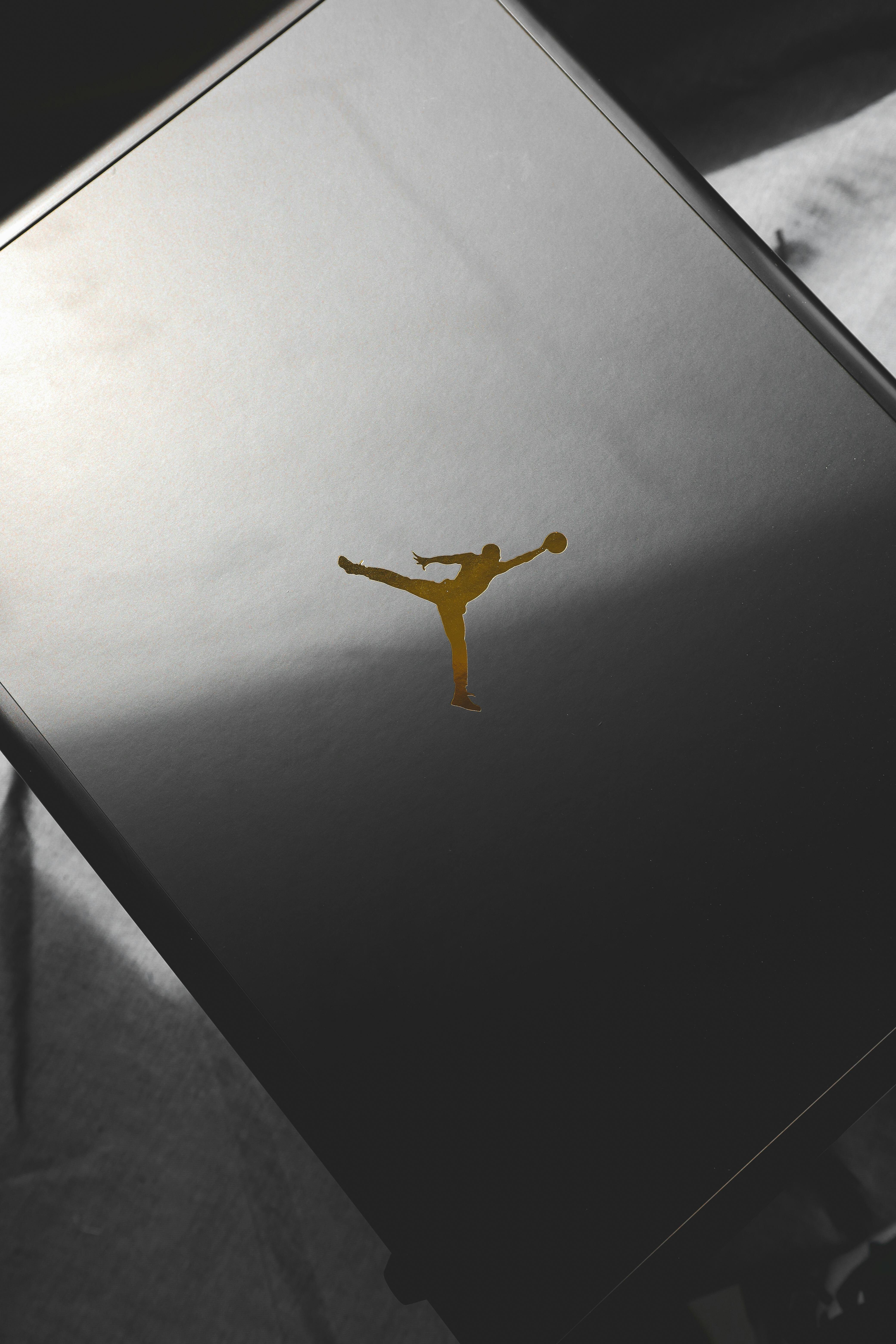
With each new iteration dropped alongside Michael Jordan’s championship seasons, the Air Jordan line grew both in innovation and in style. The Air Jordan III, designed by the visionary Tinker Hatfield in 1988, unveiled the visible Air unit, elephant print, and the famous Jumpman logo that replaced the original Wings branding. By the time the Air Jordan IV debuted in 1989, the shoes had turned into staples in rap culture — Spike Lee’s “Mars Blackmon” character grew to be inseparable from the brand through memorable television commercials. The 1990s saw Jordan win six NBA championships, and each title-winning season aligned with a new silhouette that fans rushed to buy. Commercial data tell the story: the Air Jordan XI alone brought in over $200 million in 1996, crowning it the highest-grossing sneaker of that era. The convergence of competitive brilliance and style influence produced a virtuous cycle that no rival could replicate.
Jordan Brand Becomes Its Own Enterprise
In 1997, Nike formally split Jordan Brand into a distinct subsidiary, providing it with unparalleled autonomy within the parent company. This strategy allowed the brand to sign its own stable of athletes, starting with Derek Jeter, Ray Allen, and later expanding to include Carmelo Anthony and Chris Paul. The decision was brilliant — by running semi-independently, Jordan Brand could build its own identity without being diluted by the broader Nike product range. Revenue climbed past $1 billion annually by 2010, solidifying Jordan Brand as one of the most commercially successful entities in all of sports business. The autonomous setup also permitted more targeted marketing that addressed the key demographic of basketball lovers and sneaker connoisseurs. By 2026, the brand sponsors over 30 professional athletes across basketball, baseball, and football, extending its reach far beyond its basketball origins.
The Sneaker Culture Explosion
The ascent of sneaker culture from a fringe community to a mainstream phenomenon can be attributed an substantial debt to Jordan Brand. Resell sites like StockX and GOAT, which combined facilitate billions of dollars in transactions per year, were basically powered by the back of Air Jordan hunger. Limited-release “retro” pairs — re-issues of classic designs — established a scarcity-driven market where certain colorways increase in worth like luxury collectibles. The Air Jordan 1 “Chicago,” originally retailing for $65 in 1985, now reaches prices exceeding $5,000 on the secondary market depending on condition and size. Sneaker conventions, YouTube unboxing channels, and dedicated social media accounts with millions of followers all tie their origins back to the frenzy surrounding Jordan releases. This industry yields an estimated $10 billion globally in resale value as of 2026, with Air Jordans reliably comprising the highest-volume and most valuable segment of the market.
From the Arena to Haute Couture
Jordan Brand’s pivot into high fashion represents perhaps its most remarkable accomplishment. Joint ventures with luxury brands like Dior, which released a limited Air Jordan 1 in 2020 for $2,000 retail (now reselling for over $10,000), proved that sneakers had been fully accepted by the fashion establishment. Virgil Abloh’s Off-White x Jordan releases further erased the line between streetwear and haute couture, with reimagined designs that defied standard sneaker visual conventions. Travis Scott’s continuing partnership with Jordan Brand has delivered some of the most in-demand releases of the 2020s, with his trademark designs emerging as overnight collector’s items. Famous endorsement transcends official partnerships — Air Jordans commonly appear on red carpets, in music videos, and in luxury editorial features. The shoes that were once banned from NBA courts are now embraced in the most distinguished fashion circles around the world. This transition from performance footwear to fashion staple is possibly the most impactful shift in footwear history.
Effect on Communities and Representation
Beyond sales and culture, Jordan Brand has made significant efforts in community development and representation. The brand’s support for historically Black colleges and universities (HBCUs) has resulted in long-term sponsorship deals with universities like Howard University and North Carolina A&T, offering athletes with high-quality equipment and widespread attention. The Jordan Wings program has channeled over $100 million in social programs aimed at education, mentorship, and career development since its founding. In 2020, Michael Jordan personally pledged $100 million over ten years to causes championing racial equality and social justice. The brand has also been intentional about expanding its athlete roster and design team, appreciating that true resonance requires representation at every level of the organization. These actions illustrate that Jordan Brand’s cultural impact goes well past product sales into real social impact that connects with its values-driven consumer base.
| Decade | Pivotal Milestone | Cultural Significance | Est. Annual Revenue |
|---|---|---|---|
| 1980s | Air Jordan I launch; NBA ban drama | Origin of sneaker culture and athlete endorsements | $100–200M |
| 1990s | Six championships; Jumpman logo; AJ XI phenomenon | Shoes transform into hip-hop wardrobe essentials | $500M–$1B |
| 2000s | Retro releases begin; brand signs non-basketball athletes | Resale culture and secondary market emerge | $1B–$2B |
| 2010s | Off-White and Travis Scott collabs; Dior partnership | Haute couture acceptance; worldwide street style impact | $3B–$4B |
| 2020s | $6B+ revenue; HBCU partnerships; women’s line broadening | Community investment; diversity; online sneaker community | $5B–$6.6B |
The Path Forward of Jordan Brand in 2026 and Beyond
As Jordan Brand steps into its fifth decade, the issue of longevity without Michael Jordan’s on-court role on the court has been unequivocally answered — the brand is greater than any single athlete. New signing classes featuring up-and-coming NBA stars like Victor Wembanyama guarantee that the competitive credibility persists for the years ahead. Digital advancement, including augmented reality try-on features and blockchain-verified authentication for limited releases, situates the brand at the cutting edge of retail innovation. Women’s Jordan collections constitute the most rapidly expanding segment, with a 40% increase in sales between 2023 and 2025, reflecting a deliberate push toward inclusivity in sizing and design. Green initiatives, including the use of recycled materials in select models, address the escalating consumer call for eco-conscious manufacturing. The Jordan Brand story is in the end one of cultural magic — evolving leather, rubber, and Air cushioning into emblems of dreams, personality, and togetherness that resonate across every corner of the globe.